The Role of Luck in Gambling
Luck is often heralded as the predominant factor in gambling, particularly in games such as slots and roulette. These games operate mainly on chance, with players betting on random outcomes. This perception reinforces the myth that winning is completely left to fate. Players are often drawn to the thrill of the unexpected, believing that luck alone can lead to significant payouts. However, this view overlooks the intricate mechanics that govern these games, and for those seeking a new experience, https://1casinokingdom-nz.com/login/ offers various options to explore.
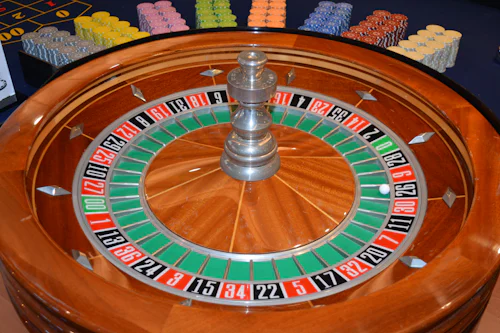
While it’s true that luck plays a critical role, it is essential to recognize that even random outcomes can be influenced by patterns and probabilities. For instance, the odds in games like blackjack can be manipulated through players’ choices, thereby incorporating an element of skill. Although the unpredictability of a spin or a roll can be exhilarating, understanding the underlying odds can refine a gambler’s approach and potentially improve their outcomes over time.
Moreover, the psychological aspects of luck cannot be ignored. Many players fall into the illusion of control, where they believe their actions can influence luck. This can lead to superstitions and behaviors aimed at attracting fortune, such as wearing specific clothing or following rituals before playing. Understanding that while luck is an undeniable element, it is only one piece of a much larger puzzle can change a gambler’s mindset and strategy.
The Importance of Skill in Casino Games
Contrary to the belief that luck reigns supreme, skill can significantly influence outcomes in many casino games. Take poker, for example, where strategic decision-making, reading opponents, and understanding probabilities play a pivotal role in determining success. Players who invest time in honing their skills often outperform those who depend solely on luck. This is a testament to how in-depth knowledge and experience can lead to more consistent winnings.
Skill-based games such as blackjack and baccarat also showcase the importance of strategy over mere chance. In blackjack, for instance, players can utilize strategies like card counting to gain an edge. This highlights that having a solid grasp of the game can mitigate the house edge, making it less about luck and more about informed decision-making. Players who embrace skill development find themselves navigating the casino landscape with a stronger footing.
Interestingly, even in games often perceived as purely luck-based, there are elements of decision-making that can affect outcomes. Understanding when to bet, how much to wager, and knowing when to walk away are essential skills that can alter the gambling experience. Recognizing this duality between luck and skill allows players to approach gambling more holistically, balancing their reliance on fortune with personal strategy in gameplay.
Misconceptions Surrounding Game Strategies
There are many misconceptions regarding the strategies that players believe can guarantee success in casinos. One prevalent myth is that following certain betting systems, like Martingale, can ensure a win. While these strategies can create the illusion of control, they often lead to significant losses, especially in games with a high house edge. Relying solely on these methods detracts from the understanding of probability and can result in a flawed gambling approach.
Additionally, many players fall into the trap of believing that they can predict outcomes based on previous results. This fallacy, known as the gambler’s fallacy, leads players to think that past spins or card draws can somehow influence future events. Casino games, particularly those that rely on random number generators, do not work this way. No past results can alter the inherent randomness of the next outcome, making reliance on this myth a risky endeavor.
Furthermore, the notion that gambling requires no skill can dissuade potential players from engaging. In reality, an informed and strategic approach can drastically improve one’s experience and outcomes. By debunking these myths, players can better prepare themselves for the realities of casino games, enabling them to make more educated decisions that can lead to greater enjoyment and profitability in the long run.
The Psychology of Gambling: Luck vs. Skill
The psychology behind gambling often intertwines beliefs about luck and skill. Many players experience cognitive biases that lead them to overemphasize their successful outcomes while disregarding their losses. This skewed perception is fueled by the excitement of gaming and the emotional highs experienced when participating in gambling activities. As a result, players might feel they possess a unique ability to attract luck, creating a false sense of confidence.
This psychological phenomenon can be detrimental, particularly for those new to gambling. Many believe that by simply being optimistic or adopting certain mental strategies, they can turn their fortunes around. However, this overlooks the essential role of skill and the need for a sound understanding of the games being played. Building a knowledge base can help mitigate these biases, allowing players to approach gambling with a more realistic perspective.
Moreover, the thrill of gambling often keeps players engaged, creating a cycle where the line between luck and skill becomes increasingly blurred. This emotional engagement can lead to unrealistic expectations of winning, based on the assumption that luck is all it takes. Recognizing this interplay between psychology, luck, and skill is crucial for gamblers. Understanding the balance can ultimately lead to a more sustained and responsible gaming experience.
Exploring Resources for Knowledge and Strategy
For those looking to enhance their understanding of gambling, numerous resources exist to bridge the gap between luck and skill. Online platforms, forums, and educational websites can offer invaluable insights into game mechanics, strategies, and player experiences. These resources enable players to cultivate a strong foundation of knowledge that can translate into better decision-making when they step into a casino.
Moreover, video tutorials and articles written by seasoned players or gambling professionals can provide real-life strategies and tips. By learning from others’ experiences, players can avoid common pitfalls and improve their gameplay. This active engagement in learning helps dispel myths surrounding gambling, fostering an environment where skill can flourish alongside luck.
Another important aspect of responsible gambling is recognizing personal limits. By utilizing budgeting tools and self-assessment resources available online, players can ensure that they are gambling in a way that prioritizes enjoyment over financial stress. These resources not only encourage a balanced approach but also highlight the importance of informed play, reinforcing the idea that skill and knowledge are crucial components of a successful gambling experience.